Your Cart is Empty


Our Stock Guarantee. If it says it's in stock, it is. We don't mess around with backorders or other shenanigans.

Free Shipping on Orders Over $75. Get it there fast and free with complimentary domestic shipping on orders over $75. Exclusions Apply.

Our Compleat Guarantee. If you aren't satisfied with your purchase just let us know. We'll make it right.
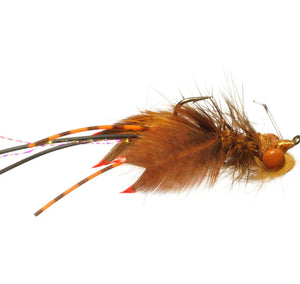
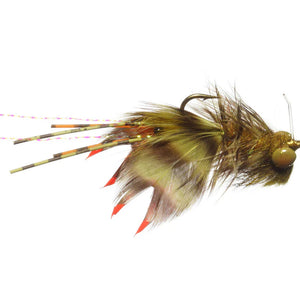
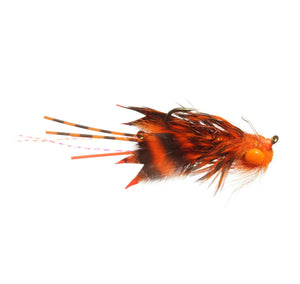
Dave Whitlock created the NearNuff Crayfish as an easier to tie, more durable and functional crayfish imitation than his ever popular SoftShell Crayfish. It has become a favorite bottom-fished fly because it catches fish so well where in place where crayfish is a major seasonal food. Although it works well all year, it is most deadly from mid-spring to fall …especially in July, August and September when crayfish are in the soft-shell stage. The addition of a snag guard almost doubles this fly’s potential. It swims and crawls with the hook point up to avoid snagging on bottom structure and the guard protects the point from contacting structures that are off the bottom like sunken tree limbs, roots and aquatic vegetation. This makes it fishable anywhere that fish lurk and feed on crayfish.
Even though it’s called ‘NearNuff’ for its suggestive look, functionally it is very realistic in action, shape and texture. It closely mimics a soft-shell crayfish which all fish prefer over the hard-shell phase because they are basically defenseless and easier to eat. As do live crayfish, this imitation swims backwards with claws up. All species of bass, trout and sunfish can be caught on this fly and it’s my favorite smallmouth and carp fly. Other fish that love to take this fly are drum, catfish, white bass, walleye, sauger, striped bass, gar and chub. There really is not a freshwater predator or omnivore fish that will not take the NearNuff Crayfish. This fly has caught them all.
Because crayfish are so active during low-light levels and when flooding occurs, the NearNuff is a perfect choice when night fishing or when fishing during rising and muddy water. Fish can easily detect this fly under low visibility conditions because of the high and low sound frequencies it emits as it is crawled or hopped along and against the bottom.